Image
Materials Science and Engineering Program
Welcome to the Program in Materials Science and Engineering in the Department of Applied Physics and Applied Mathematics.
Programs

Undergraduate Program
The undergraduate curriculum is designed to provide the basis for developing, improving, and understanding materials and processes for application in engineered systems.
Graduate Programs
We offer graduate studies leading to MS, MPhil, PhD, EngScD, or DES degrees.
Making faster transistors through laser crystallization of silicon. Creating new nanomaterials for batteries and other energy storage devices. Pioneering first-principles approaches to the design of new information storage materials. The Program in Materials Science and Engineering focuses on developing and understanding new and better materials for use in innovative engineering applications. Join us in advancing the foundational science that underpins everything built by humanity.
-
Overview
Materials Science and Engineering is a rapidly growing, multidisciplinary activity that has emerged as a recognizable field in recent decades.
Scientists and engineers in this field lay the basis for understanding, developing, testing, and applying materials that form the foundation for present and future technologies—such as ceramic engines for the automotive industry, semiconductor devices for the microelectronic industry, and polymers and composite materials for various industries, including sports and automotive industries. More significantly, the choice and power of future human endeavors will depend critically on the development of improved and environmentally sound materials, whether as inexpensive and highly efficient solar cells for clean power generation or as radiation-resistant alloys for fusion reactor walls.
Although over half a million scientists and engineers currently are working in the materials field, only about 10 percent of them hold materials-designated degrees. (The remainder include chemists, physicists, electrical engineers, chemical engineers, and mechanical engineers). As such there is demand for—and the field will benefit from—scientists and engineers, who take the multidisciplinary materials science approach from the start of their professional careers.
It turns out that virtually every industry you can think of employs materials scientists and engineers. Specifically, they are involved in working with one or more of the major classes of materials for various companies (materials include metals, ceramics and glasses, polymers, semiconductors and other electronic materials, and composites). A degree in materials science and engineering will enable you to be involved in jobs concerned with producing, selecting, testing, and developing new materials with desirable properties, lower cost, or lower environmental impact. Incidentally, students with BS degrees in Materials Science and Engineering, along with Chemical Engineers, typically enjoy some of the highest starting salaries among the established engineering fields.
-
Faculty Members
Our faculty are leaders in the fields of Materials Science and Engineering and Solid-State Science.
William E. Bailey, MSE Program Committee Chair
Nanoscale magnetic films and heterostructures, materials issues in spin-polarized transport, materials engineering of magnetic dynamicsSiu-Wai Chan
Metal oxides, crystal-size-related structural changes and properties in nanoparticles, thin films, grain boundaries and interfaces as well as their corresponding electrical properties
Aravind Devarakonda
quantum materials synthesis, nanodevice fabrication, low-temperature physics; superconductivity, strongly-correlated matter, topologically ordered phasesAlexander L. Gaeta
Ultrafast nonlinear optics, nanophotonics, nonlinear propagation in fibers and bulk media, photonic crystal fibers, coherent interactions of laser light with matter, the generation of non-classical light fields, stimulated scattering processesOleg Gang
Joint with Chemical Engineering
Soft matter physics, programmable self-assembly of nanoscale systems, soft and biomaterials with tailored functionsJames Im
Laser-induced crystallization of thin films, phase transformations and nucleation in condensed systemsMichal Lipson
Joint with Electrical Engineering
Physics and application of nanoscale photonic structures; light confining structures that can slow down, enhance and manipulate light; photonic structures can enhance light-matter interaction by orders of magnitude, enabling the devices optical properties to be controlled externally, either optically or electro-opticallyChris A. Marianetti
Predicting materials properties from first-principles computations; materials with energy related applications; density-functional theory; dynamical mean-field theory; transition-metal oxides; actinides, energy storage and conversion materialsI. Cevdet Noyan
Joint with Earth & Environmental Engineering
Characterization and modeling of mechanical and micromechanical deformation; residual stress analysis and nondestructive testing; x-ray and neutron diffraction, microdiffraction analysisMichele Simoncelli
Condensed matter physics, quantum transport, computational physics, fluid dynamics, organic electronics and sustainability, supercapacitors, neuromorphic computingRenata M. M. Wentzcovitch
Joint with Earth & Environmental Sciences
Computational materials physics, simulation of matter at extreme conditions, mineral physicsYuan Yang
Exploration of novel materials and chemistry for advanced energy storage, thermal harvesting and management, investigation of fundamental structure-property correlations and chemical processes in energy materials and devicesXueyue (Sherry) Zhang
Quantum devices and their applications, superconducting qubits, solid state spins, quantum light-matter interaction, metamaterials, quantum many-body dynamics, topological photonics, quantum information, quantum networking -
Education
MSE focuses on understanding, designing, and producing technology-enabling materials by analyzing the relationships among the synthesis and processing of materials, their properties, and their detailed structure. This includes a wide range of materials such as metals, polymers, ceramics, and semiconductors. Solid state science and engineering focuses on understanding and modifying the properties of solids from the viewpoint of the fundamental physics of the atomic and electronic structure.
The undergraduate and graduate programs in materials science and engineering are coordinated through the MSE Program in the Department of Applied Physics and Applied Mathematics. This program promotes the interdepartmental nature of the discipline and involves the Departments of Applied Physics and Applied Mathematics, Chemical Engineering and Applied Chemistry, Electrical Engineering, and Earth and Environmental Engineering (EEE) in the Henry Krumb School of Mines (HKSM) with advisory input from the Departments of Chemistry and Physics.
Students interested in materials science and engineering enroll in the materials science and engineering program in the Department of Applied Physics and Applied Mathematics. Those interested in the solid-state science and engineering specialty enroll in the doctoral program within Applied Physics and Applied Mathematics or Electrical Engineering.
The faculty in the interdepartmental committee constitute but a small fraction of those participating in materials research.
Materials science and engineering uses optical, electron, and scanning probe microscopy and diffraction techniques to reveal details of structure, ranging from the atomic to the macroscopic scale—details essential to understanding properties such as mechanical strength, electrical conductivity, and technical magnetism. These studies also give insight into problems of the deterioration of materials in service, enabling designers to prolong the useful life of their products. Materials science and engineering also focus on new ways to synthesize and process materials, from bulk samples to ultrathin films to epitaxial heterostructures to nanocrystals. This involves techniques such as UHV sputtering; molecular beam epitaxy; plasma etching; laser ablation, chemistry, and recrystallization; and other nonequilibrium processes. The widespread use of new materials and the new uses of existing materials in electronics, communications, and computers have intensified the demand for a systematic approach to the problem of relating properties to structure and have necessitated a multidisciplinary approach.
Materials science and solid- state science use techniques such as transport measurements, X-ray photoelectron spectroscopy, ferromagnetic resonance, inelastic light scattering, luminescence, and nonlinear optics to understand electrical, optical, and magnetic properties on a quantum mechanical level. Such methods are used to investigate exciting new types of structures, such as epitaxial metals, two-dimensional transition metal dichalcogenides, superconductors, and semiconductor surfaces and nanocrystals.
We invite you to contact us and interact with our faculty, academic and research staff, and diverse undergraduate and graduate student bodies. We are a lively and coherent group of active scholars, heavily involved in research and education, and connected to and benefiting from numerous other parts of the School of Engineering and Applied Sciences, the University, and the scientific community at large.
-
Careers in Materials Science
Below are a few of the well-known companies within which materials scientists and engineers work as a vital part of the manufacturing of products:
Electronic Materials:
Metals:
Polymers:
Ceramics and Glasses:
- Corning Glass
- Pilkington
- Norton
- major steel companies
- electronic components industrial companies
MSE Career Resources
MSE Videos
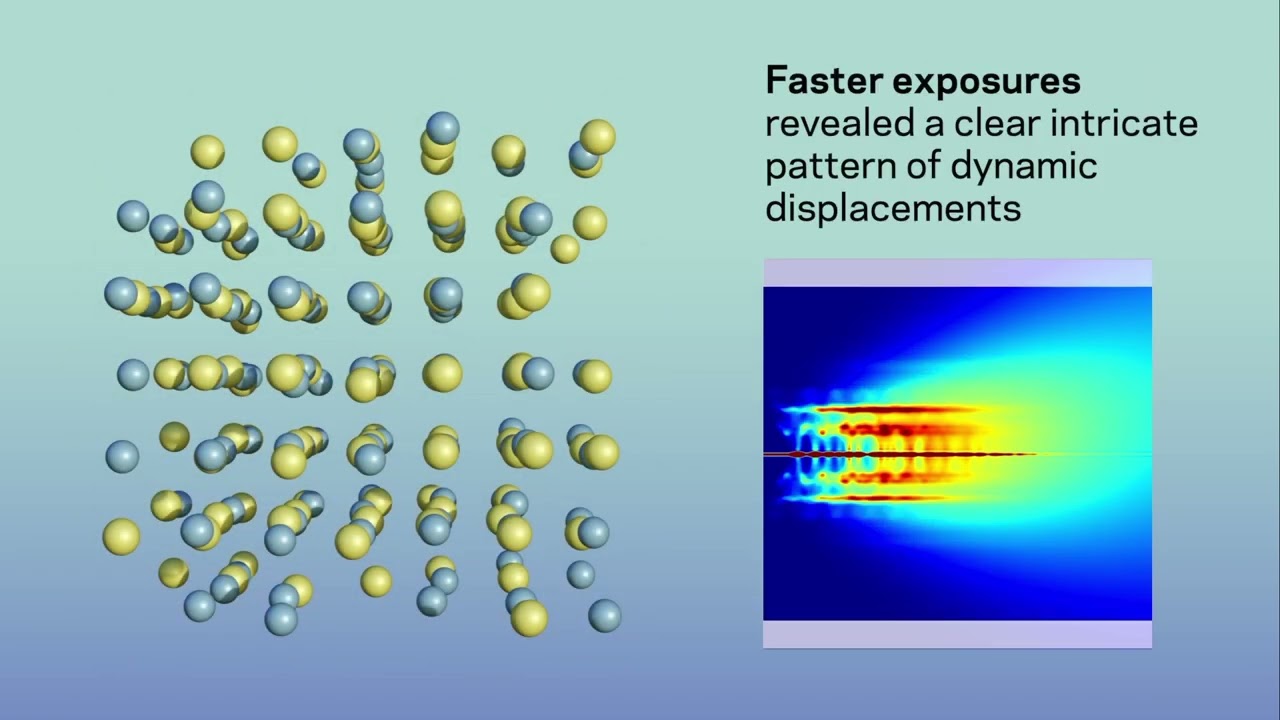
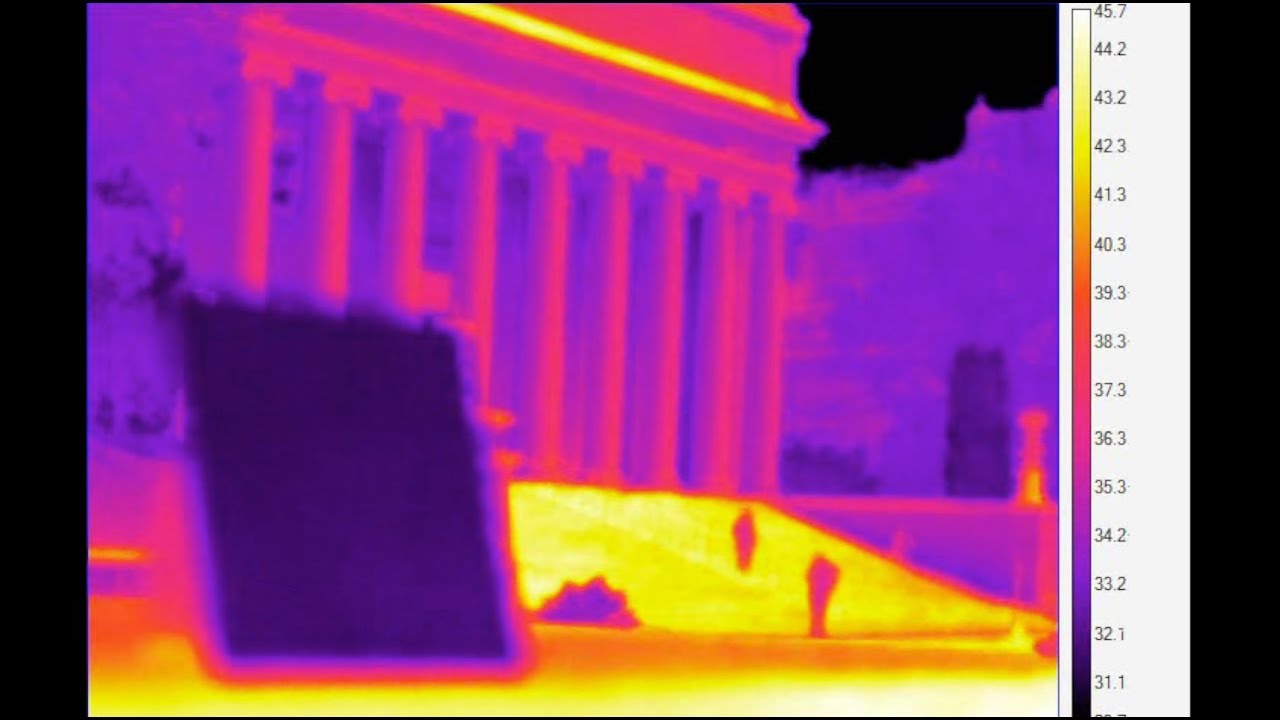
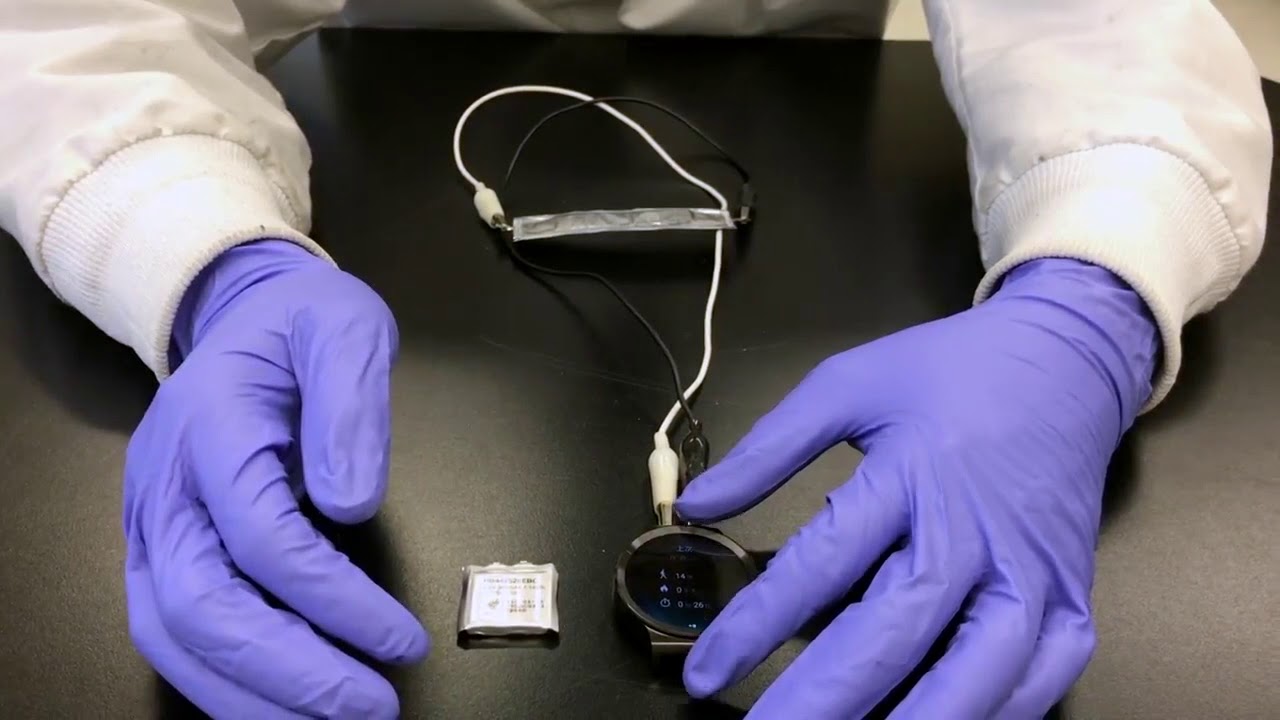
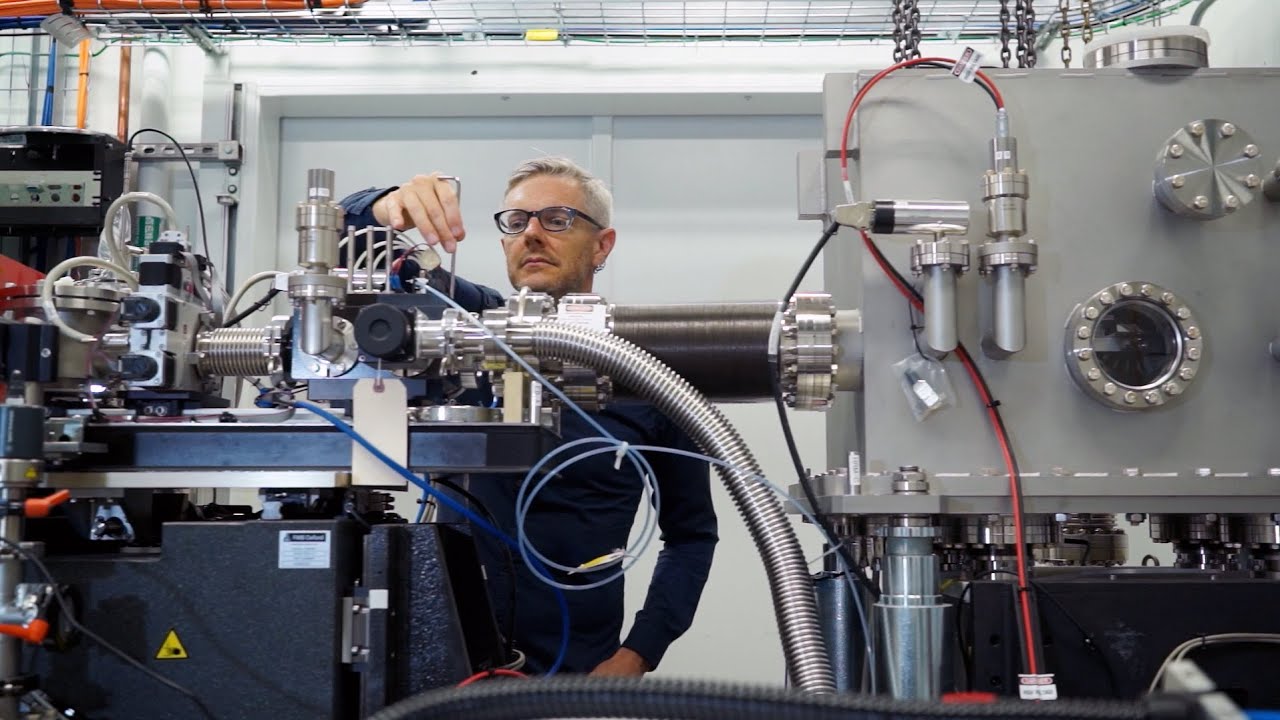
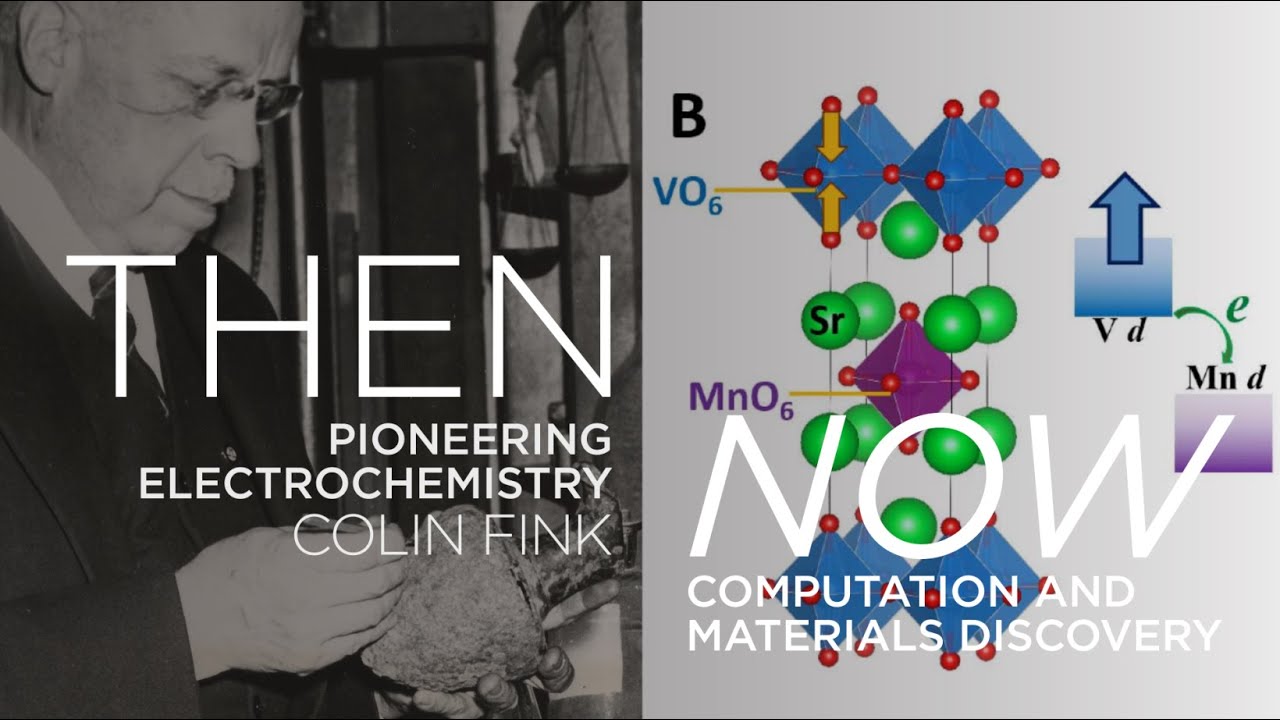
Explore Columbia MSE through faculty interviews, lab tours, and stories about research advancing the field.
 Play video
 Play video
 Play video
 Play video
 Play video
 Play video
 Play video
 Play video
 Play video
x/x
News & Research
See all
Faculty & Staff
Columbia Engineering Scientists Honored for Advancing Unique Fusion Approach
Sep 30, 2026